
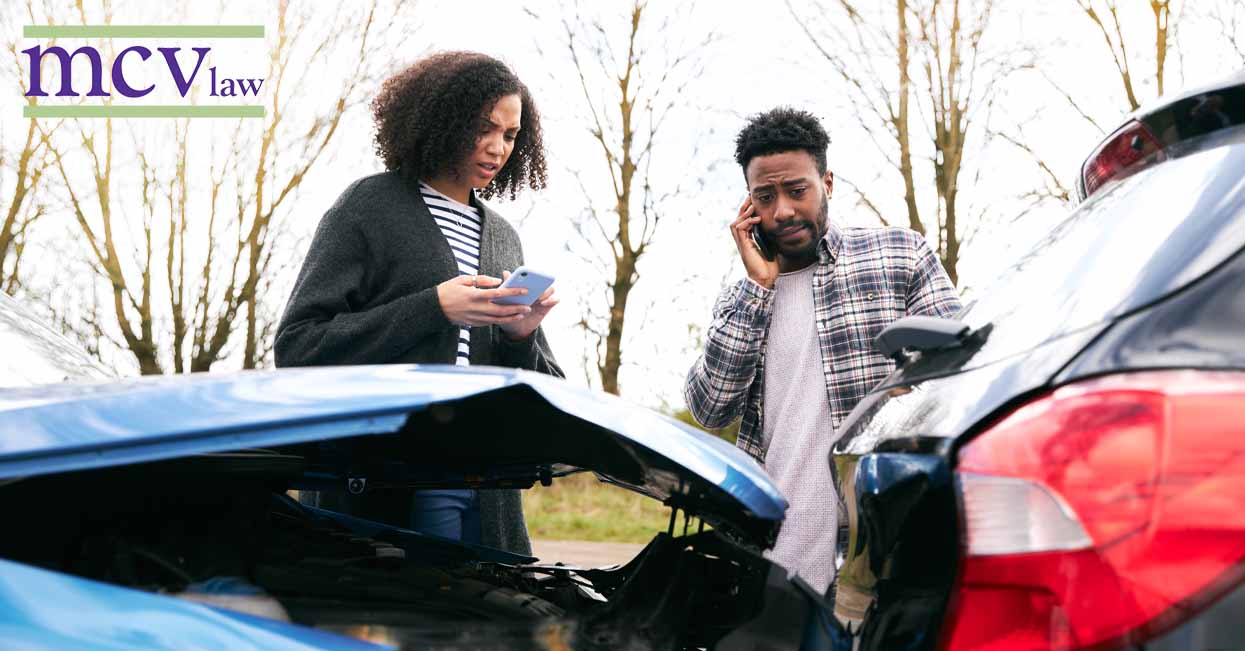
Car accidents are stressful, and it's easy to make spur-of-the-moment decisions which could affect your health or your ability to recover compensation later. Regardless of whether your crash seems minor or involves serious injuries, knowing what to do immediately afterward can make a significant difference.
If another driver's negligence caused your injuries, taking the right steps can help protect both your recovery and your legal rights. Here's what you should know.
Quick Answer
If you've been injured in a car accident in New York:
- Seek medical attention as soon as possible.
- Call the police and request an accident report.
- Take photographs of the scene, the vehicles involved, and your injuries.
- Report the accident to your insurance company—but be cautious when discussing fault or the extent of your injuries.
- Keep copies of important documents and medical records.
- Speak with an experienced Personal Injury attorney before accepting a settlement offer.
1. Seek Medical Attention Immediately
Your health should always come first.
Even if you believe your injuries are minor, it's important to be evaluated by a medical professional as soon as possible. Many common crash-related injuries—including whiplash, concussions, soft tissue injuries, and internal injuries—may not produce symptoms until hours or even days after the collision.
Prompt medical treatment not only helps protect your health, but also creates important medical documentation that may become critical if you pursue a Personal Injury claim.
2. Call the Police and Make Sure an Accident Report Is Filed
Whenever possible, contact law enforcement after an accident.
A police report creates an official record of what occurred and may include:
- Driver and vehicle information
- Witness contact information
- Road and weather conditions
- Statements from those involved
- The responding officer's observations
In almost all cases, this report is an important piece of evidence for insurance claims and Personal Injury cases.
3. Gather Evidence at the Scene
If you're physically able to do so, take photographs to document as much as possible before leaving the scene.
Helpful evidence may include:
- Damage to all vehicles
- Your visible injuries
- Road conditions
- Traffic signals and signs
- Skid marks or debris
- The position of the vehicles
- Witness names and contact information
Photographs and videos taken immediately after an accident can become valuable evidence if there is later a dispute about how the collision occurred.
4. Report the Accident to Your Insurance Company—But Choose Your Words Carefully
Most insurance policies require you to report an accident promptly.
When speaking with your insurance company:
- Stick to the basic facts.
- Do not guess about how the accident happened.
- Avoid saying you're "fine" if you haven't been medically evaluated.
- Don't speculate about fault or apologize for the accident.
Remember, some injuries develop over time, and fault isn't always immediately clear.
If another driver's insurance company contacts you, consider speaking with an attorney before providing a recorded statement or accepting any settlement offer.
5. Keep Copies of Important Documents
Organizing your records early can make the claims process much easier.
Important documents may include:
- Police reports
- Accident exchange information
- Medical records
- Medical bills
- Vehicle repair estimates
- Insurance correspondence
- Photos and videos from the accident
- Documentation of missed work and lost wages
These records help establish both liability and the full extent of your damages.
6. Speak With a Personal Injury Attorney Before Accepting a Settlement
Insurance companies often begin evaluating claims immediately after an accident.
While some claims are resolved quickly, accepting a settlement before you fully understand the extent of your injuries or future medical needs could leave you responsible for expenses that arise later.
An experienced Personal Injury attorney can:
- Investigate the accident
- Gather evidence
- Communicate with insurance companies
- Calculate the full value of your damages
- Negotiate a fair settlement
- Represent you in court if necessary
At MCV Law, we handle the legal process so our clients can focus on their recovery.
Frequently Asked Questions
Should I report a car accident to my insurance company if the other driver was at fault?
Yes. Most insurance policies require you to promptly report an accident, and your own insurance company is responsible for paying for your initial medical care regardless of fault. As such, if you fail to timely report an accident, you may become responsible for your own medical care out-of-pocket. When speaking with your insurance company, stick to the facts and avoid speculating about fault or the extent of your injuries before they've been fully evaluated.
Should I give a recorded statement to the other driver's insurance company?
Before providing a recorded statement to another driver's insurance company, it's often wise to speak with an attorney. Statements made early in the claims process may later be used to dispute liability or minimize your injuries.
What if I don't feel injured right after the accident?
Some injuries, including whiplash, concussions, and certain soft tissue injuries, may not appear until hours or days after a crash. Seeking prompt medical attention helps protect both your health and any future claim.
What evidence should I collect after a car accident?
If you're able, take photographs of the vehicles, the accident scene, road conditions, visible injuries, and traffic signs or signals. Also collect witness contact information and obtain a copy of the police report.
When should I contact a Personal Injury attorney?
The sooner, the better. An attorney can help preserve evidence, communicate with insurance companies, protect important deadlines, and advise you before you accept a settlement offer.
How MCV Law Can Help
If you've been injured in a motor vehicle accident caused by someone else's negligence, our Personal Injury team is here to help.
We investigate accidents, gather evidence, communicate with insurance companies, and fight for compensation for:
- Medical expenses
- Lost wages
- Future medical care
- Pain and suffering
- Reduced earning capacity
- Other accident-related damages
In some situations, additional claims may also be available. For example, if you were injured while working, you may have both a Workers' Compensation claim and a Personal Injury claim.
We're here to evaluate every available option and help you pursue the compensation you deserve.
Contact MCV Law today for a free consultation.
About the Author: W. Robert Taylor, Esq. is an Attorney at MCV Law. Backed by over a decade of experience, he brings strategic representation to personal injury plaintiffs across Syracuse and the greater Central New York region. His practice focuses on motor vehicle accidents, motorcycle crashes, construction and labor law injuries, premises liability, and complex negligence claims. He earned his law degree from SUNY Buffalo Law, graduating with honors. Contact Robert: [email protected]